Inside AURUM
Pinto, Spain. October 2026.
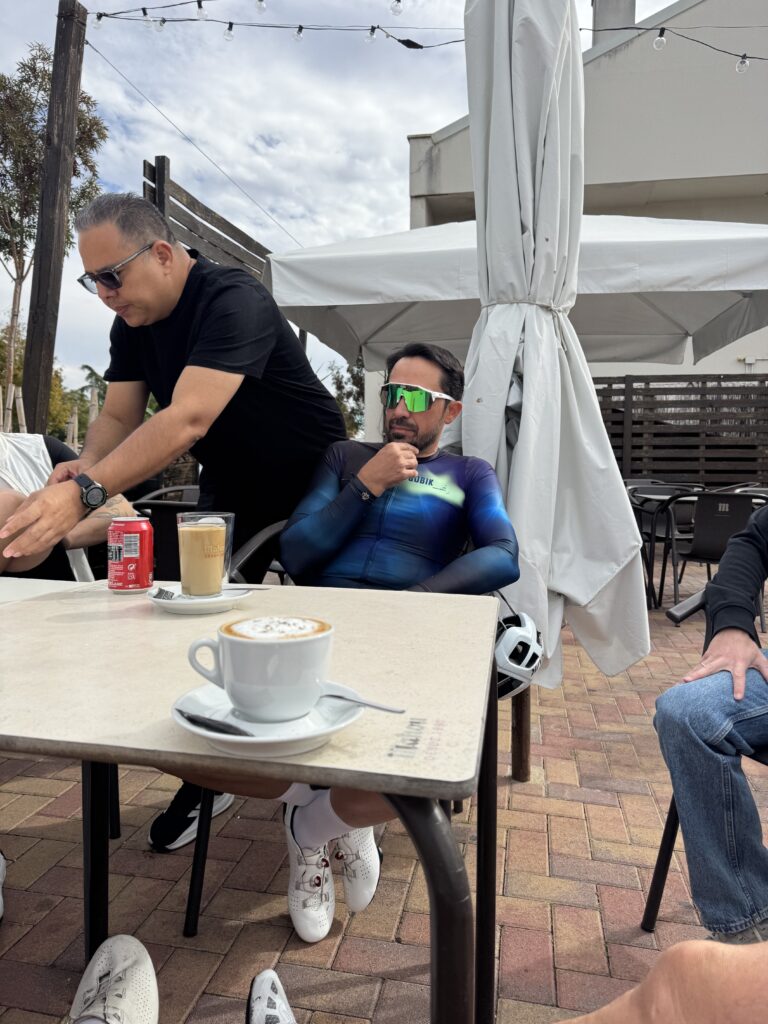
The coffee machine was a joke. The snacks had something of a two-star hotel breakfast about them. And the whole place was considerably smaller than I expected. I liked it.
I had come to Pinto, just outside Madrid, to visit Aurum, the bicycle company founded by Alberto Contador and Ivan Basso. Alberto grew up here, and a surprising amount of what he has built around cycling since retiring from professional racing still happens in this little town. Everyone was incredibly welcoming. There is a particular Spanish warmth to the place, although much quieter than you might imagine. Relaxed, friendly, almost suspiciously calm considering how much is going on.
Fran Contador, Alberto's brother, takes care of much of the organisation and management. Alberto seems to enjoy getting involved in whatever catches his interest, particularly bicycles and racing. Ivan is more involved on the Italian side. Between them, they know an extraordinary number of people in cycling. At one point Fran was explaining something about the company's owners. "Yes, that's you," I interrupted. Everyone laughed. I suppose that's one advantage of a family business. You don't have to pretend the owners are some mysterious people sitting in another building.
The little factory
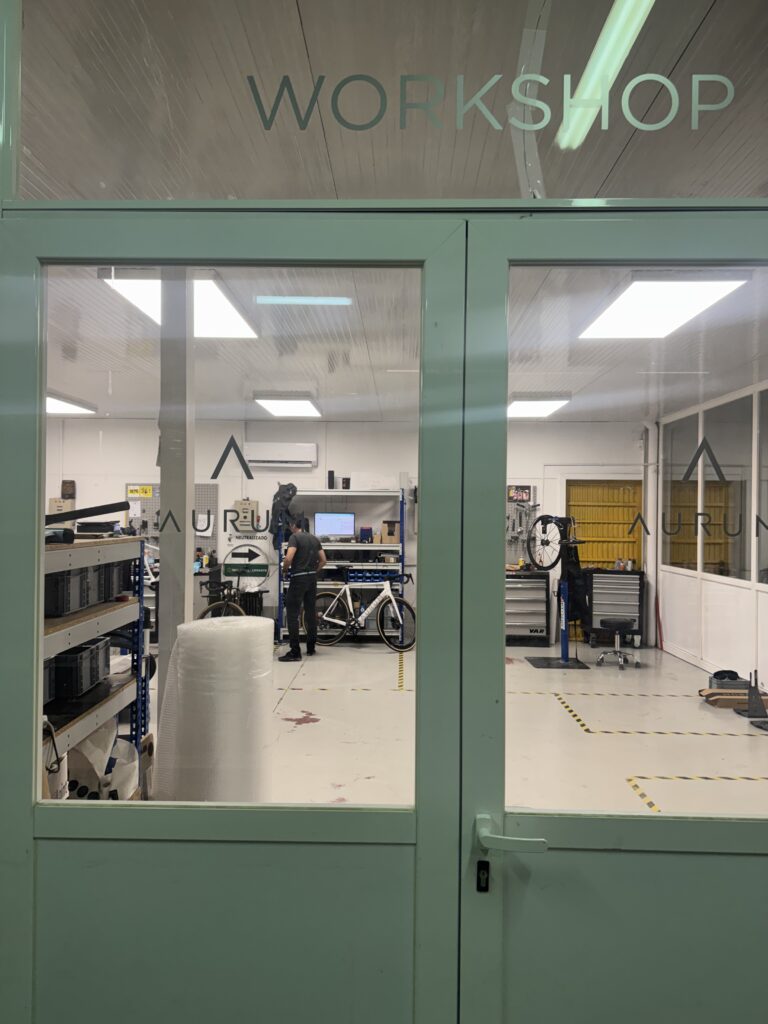
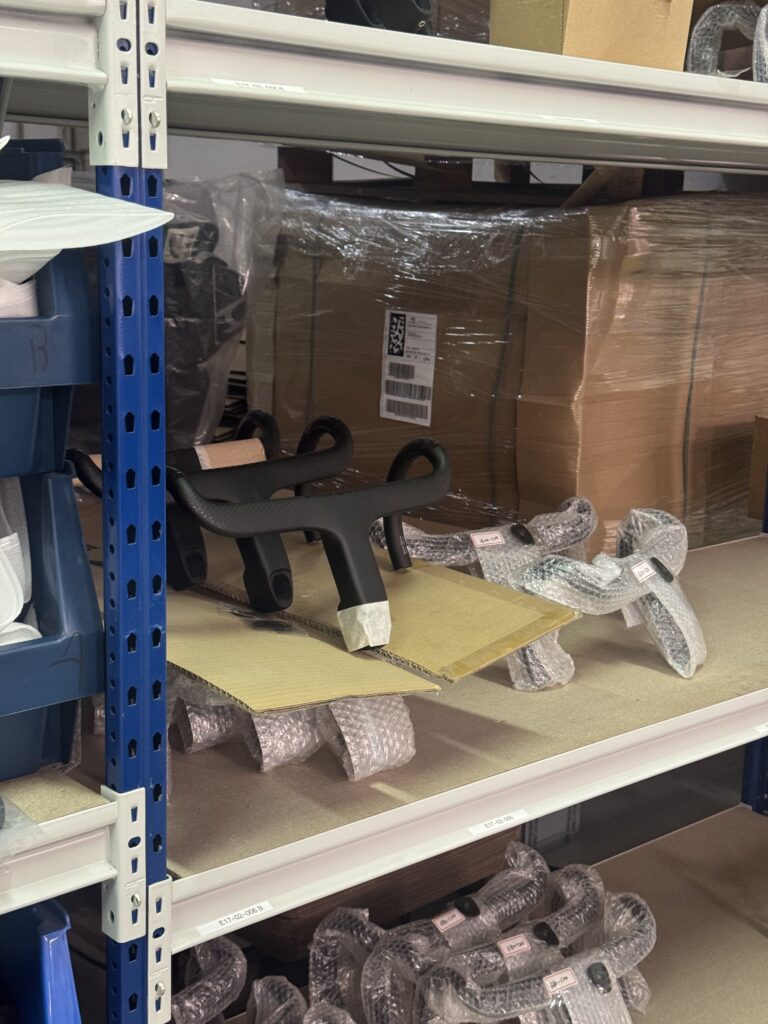
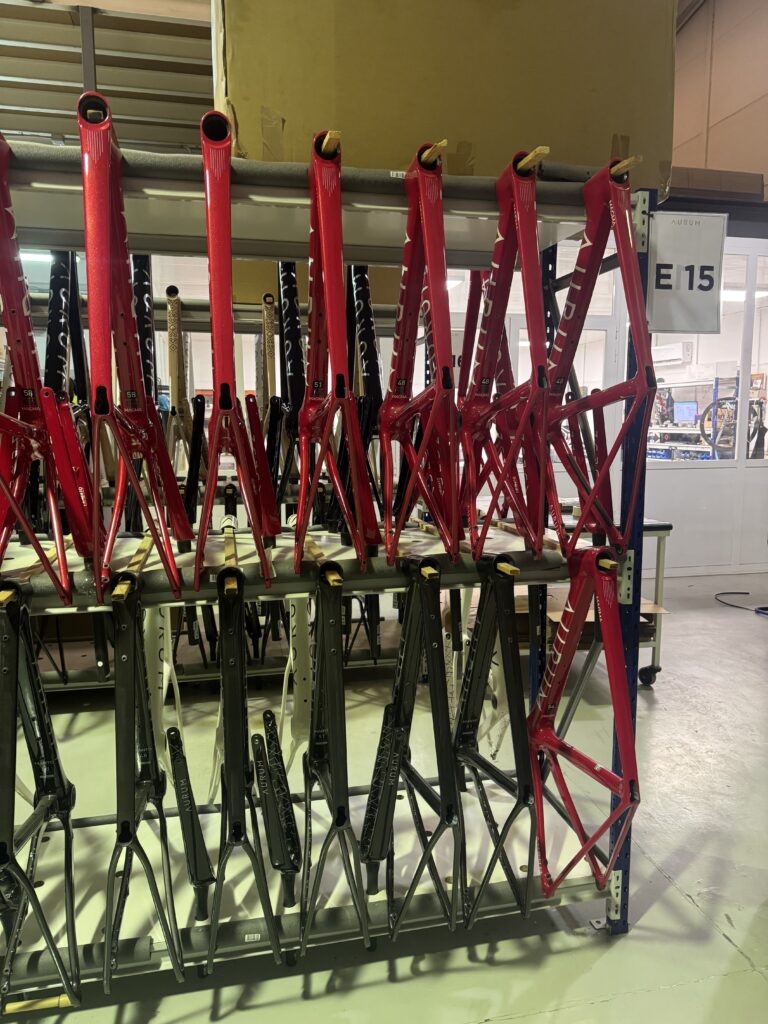
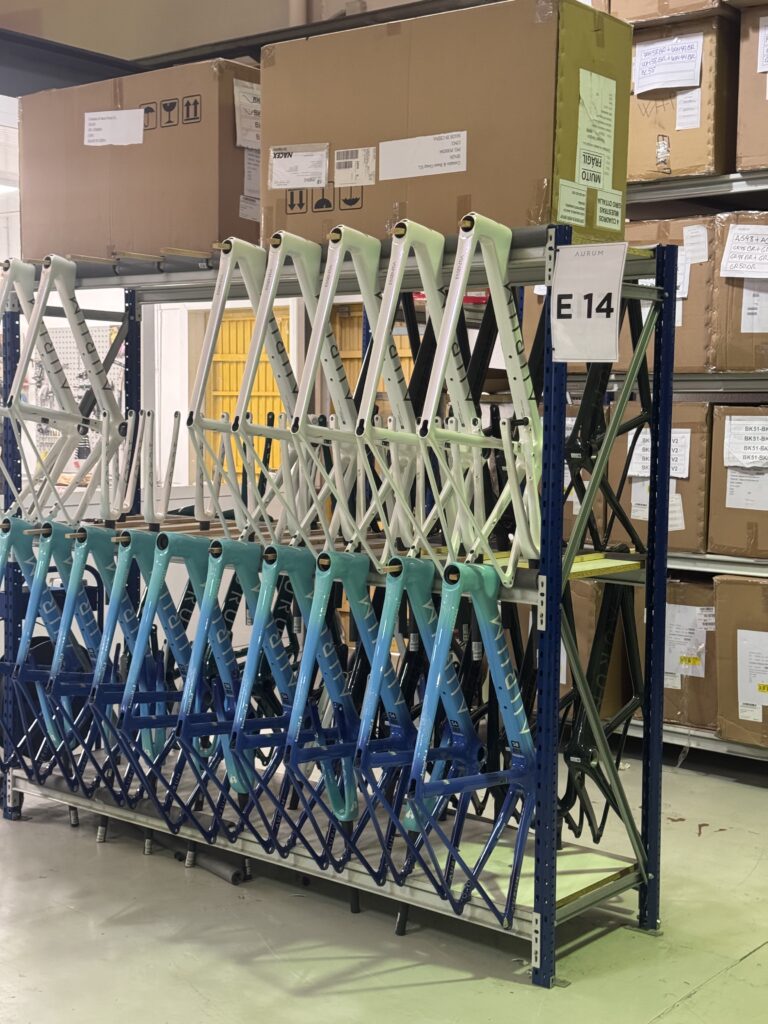
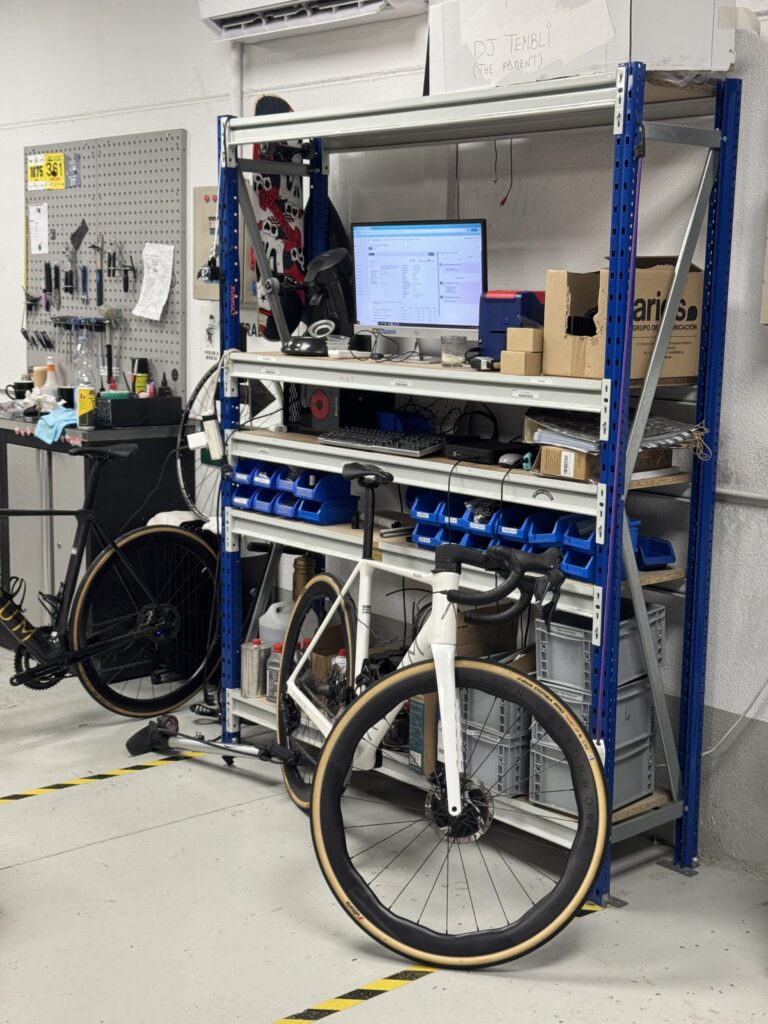
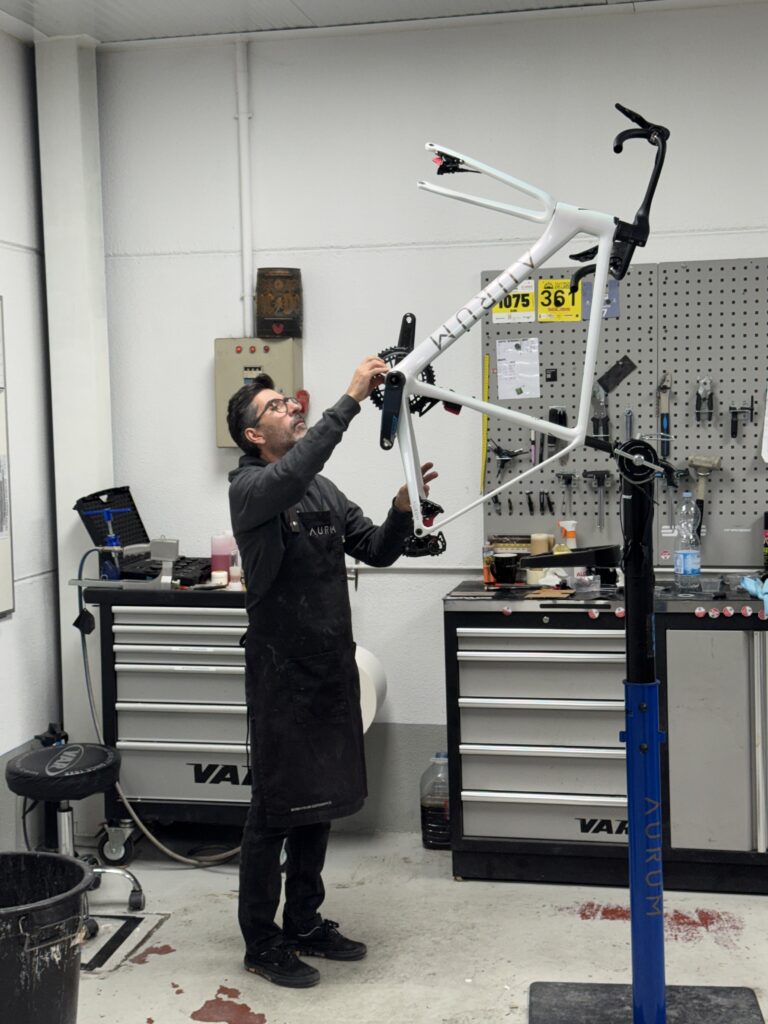
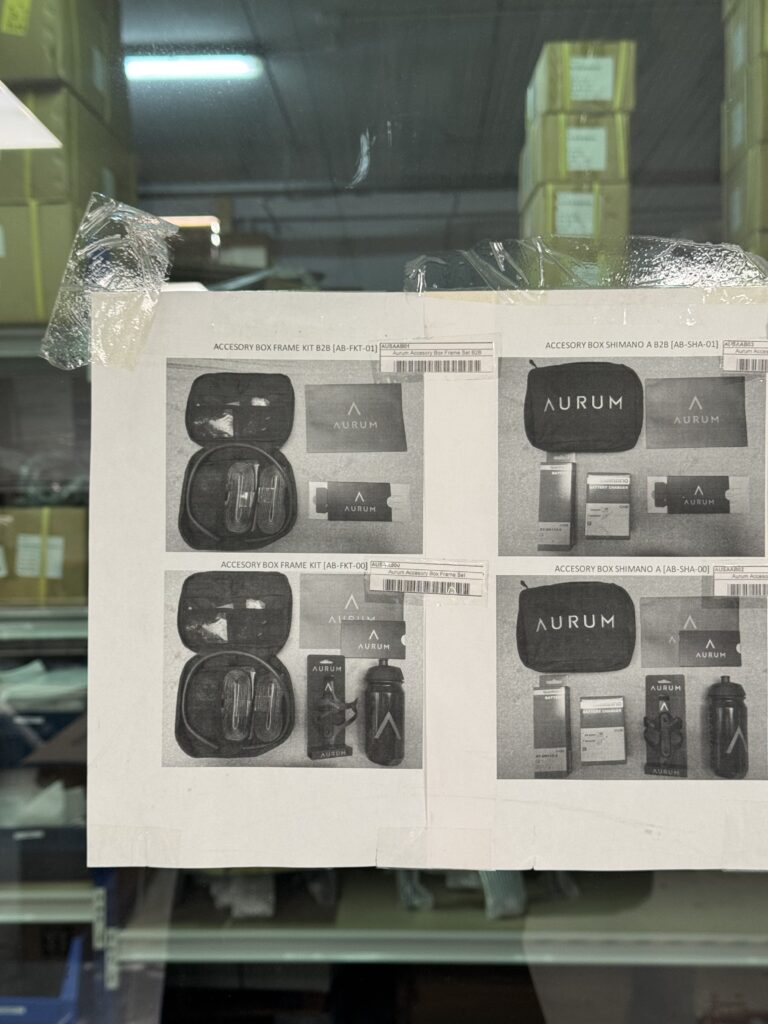
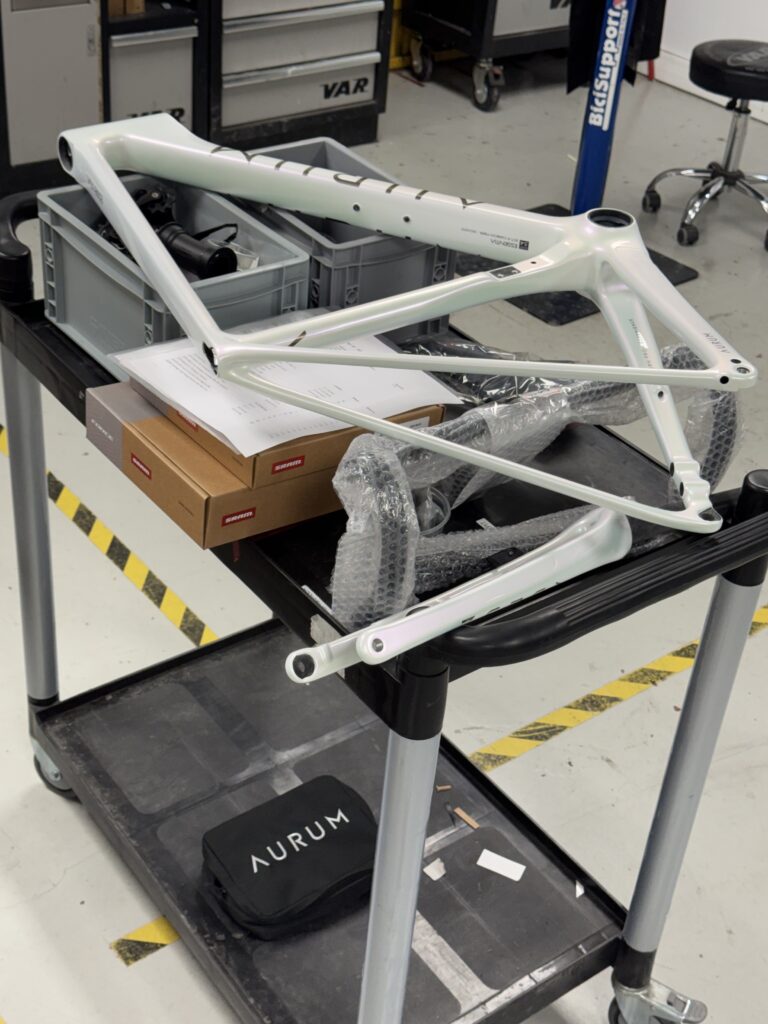
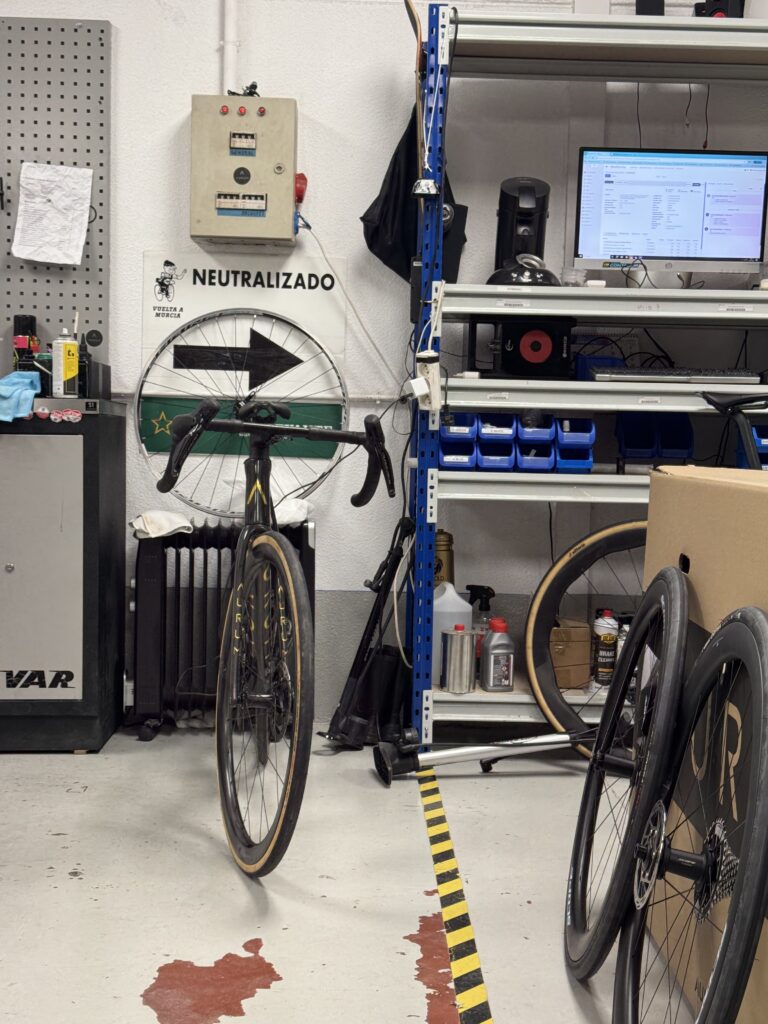
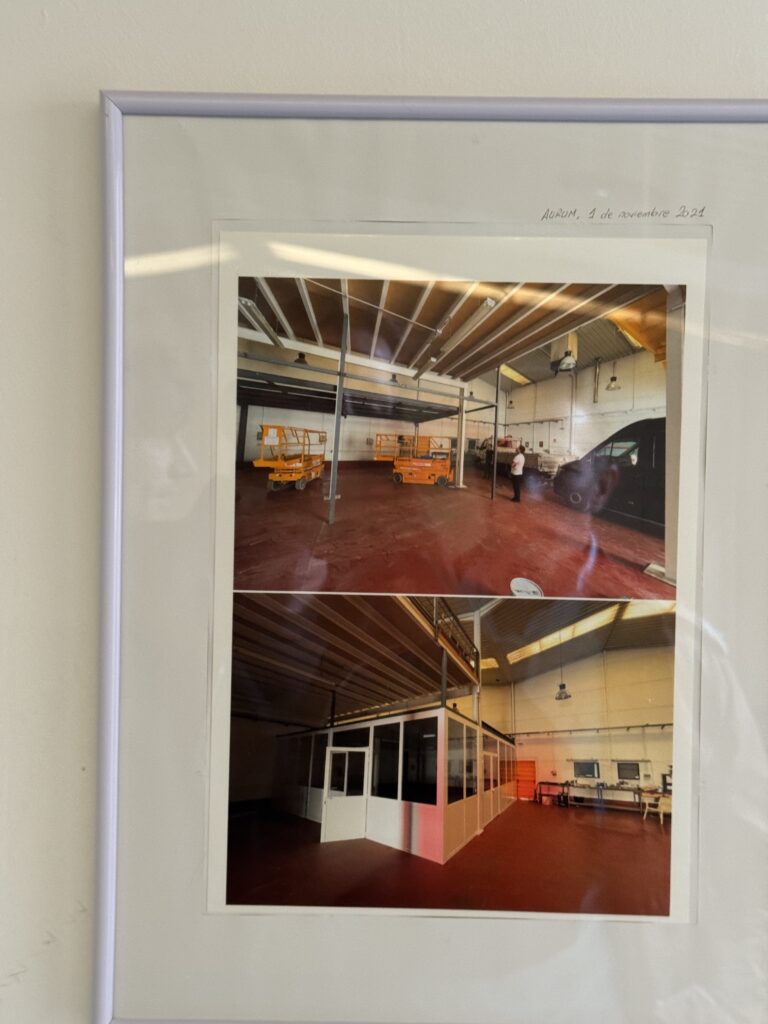
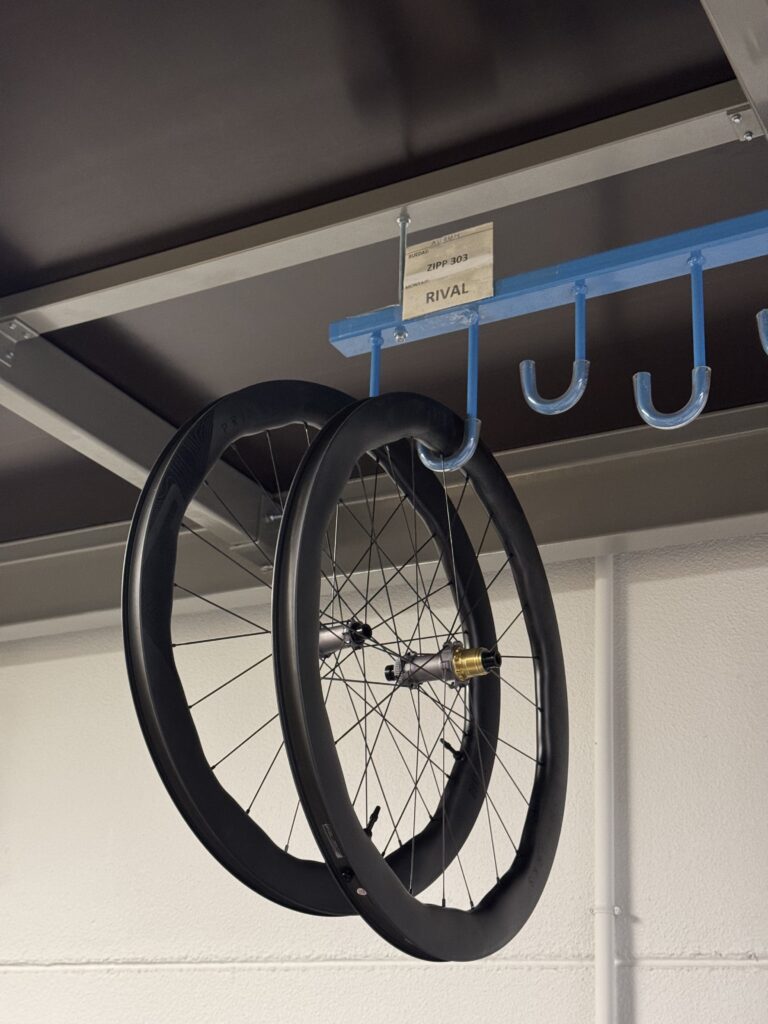
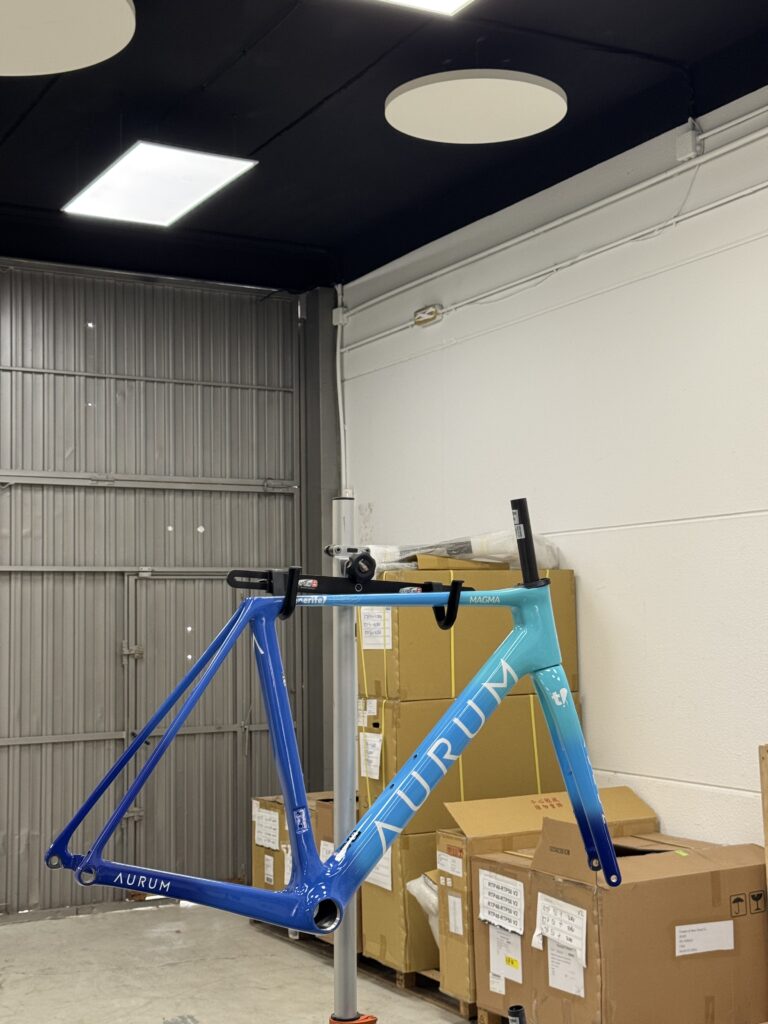
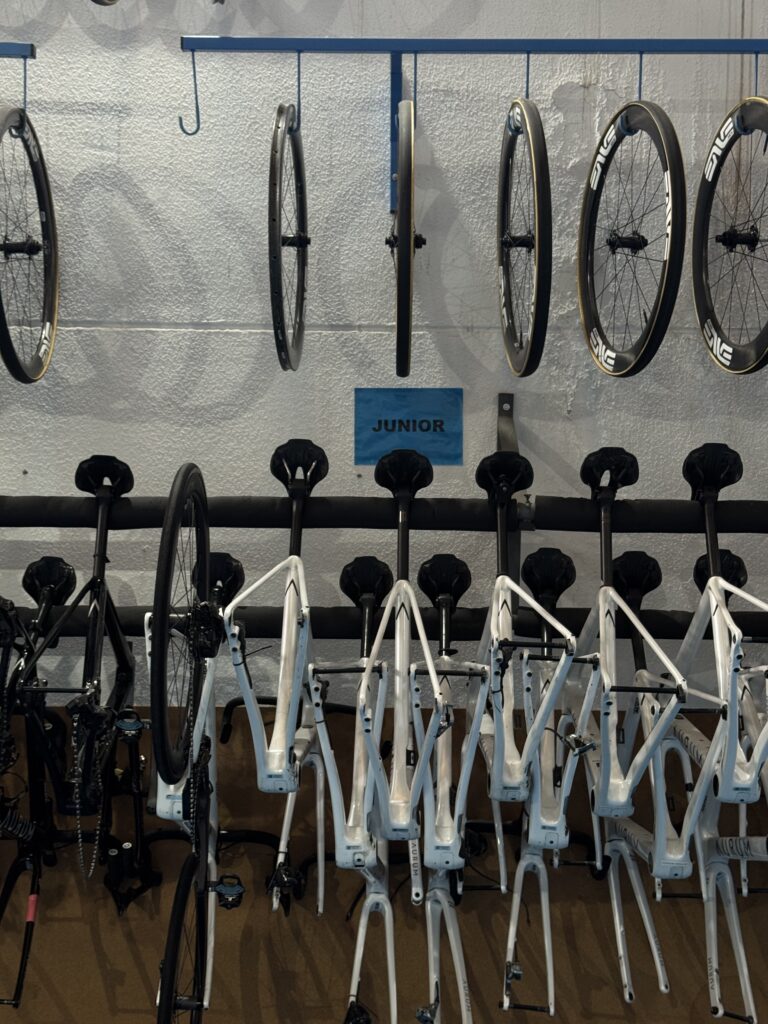
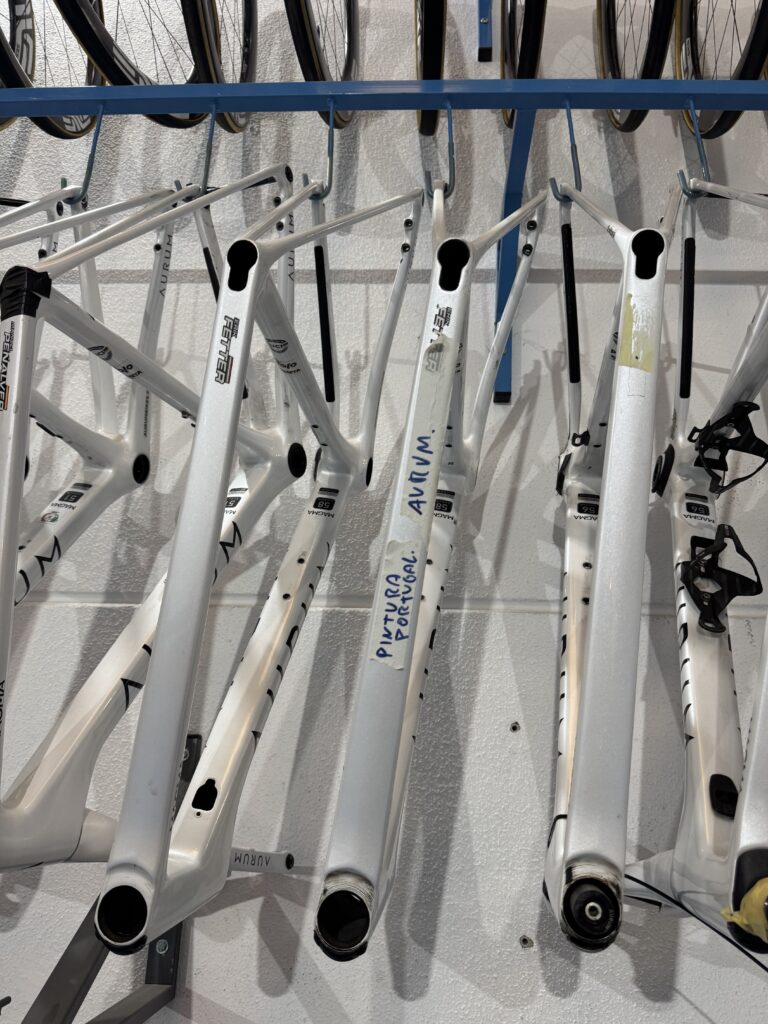
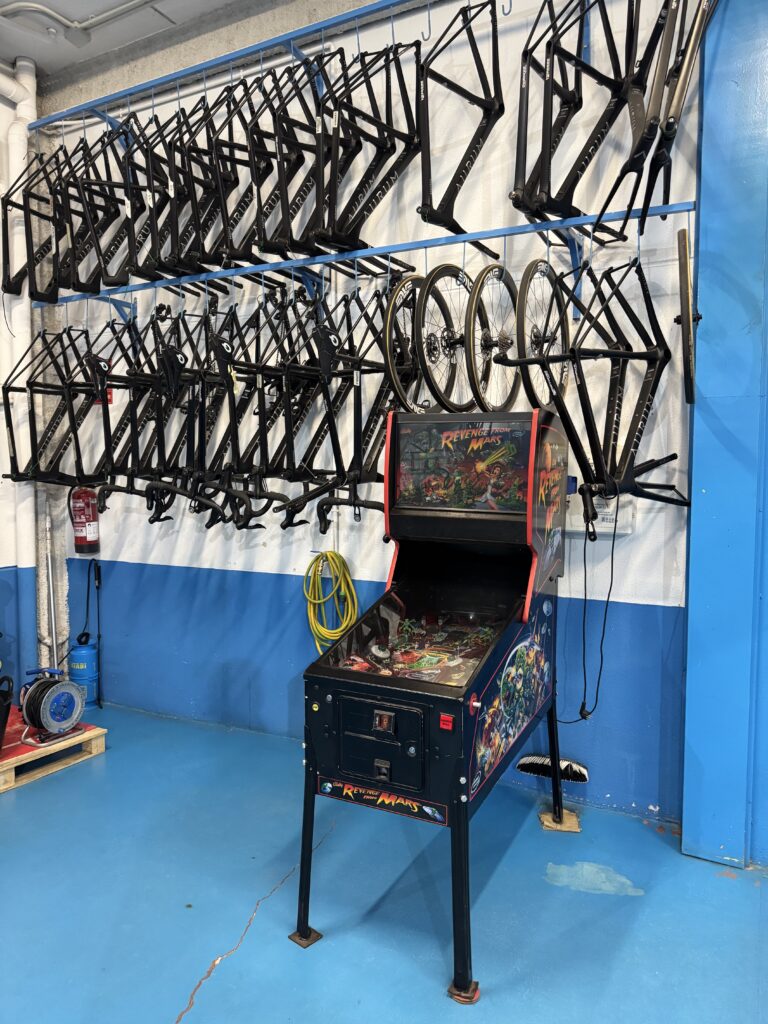
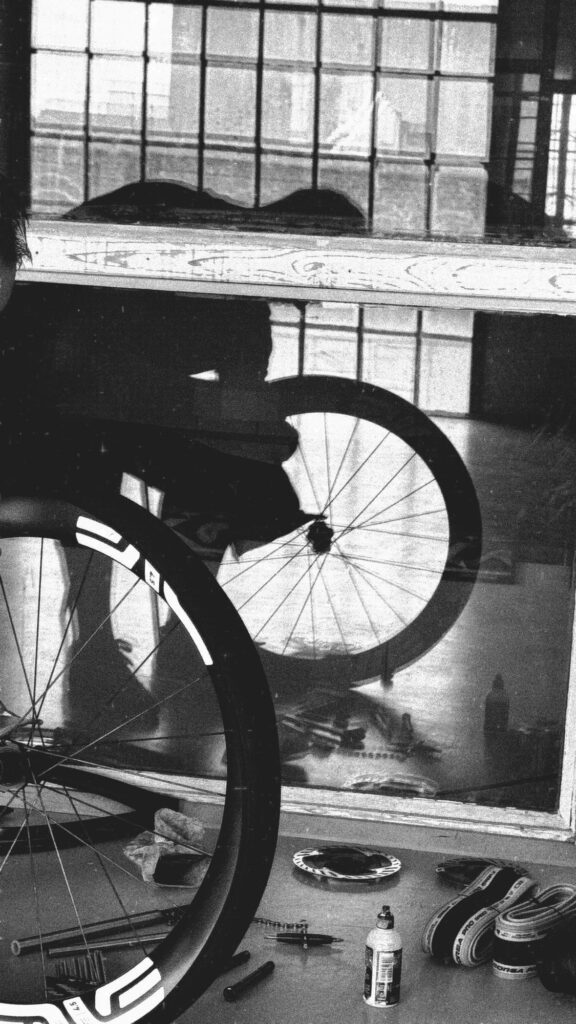
The assembly facility is almost comically small compared with the ambitions of the company. Aurums carbon frames are manufactured in Taiwan and the complete bicycles assembled in Pinto. What struck me was how quiet it was. No loud music, no machines making a terrible noise, nobody running around. Things everywhere, but everything in its place. Clean, organised, with enough space to actually think about what you're doing. Usually, it's Jose and Carlos building the bikes. One of them was on parental leave during my visit, so the other was taking care of things. Fair enough. There are more important things in life than building racing bicycles. And somehow, nobody seemed in a hurry.
I've always been interested in how bicycle companies arrive at their idea of a good bicycle. Particularly when they have the confidence to compete with Specialized, Trek, Cervelo or Colnago. Companies with considerably more resources and entire departments working on product development. Aurum is quite particular about what it wants. Alberto still tries other manufacturers' bicycles. He also tests wheels and pays attention to the differences. What feels better? What doesn't? Is something genuinely useful, or simply the latest thing everyone is supposed to want?
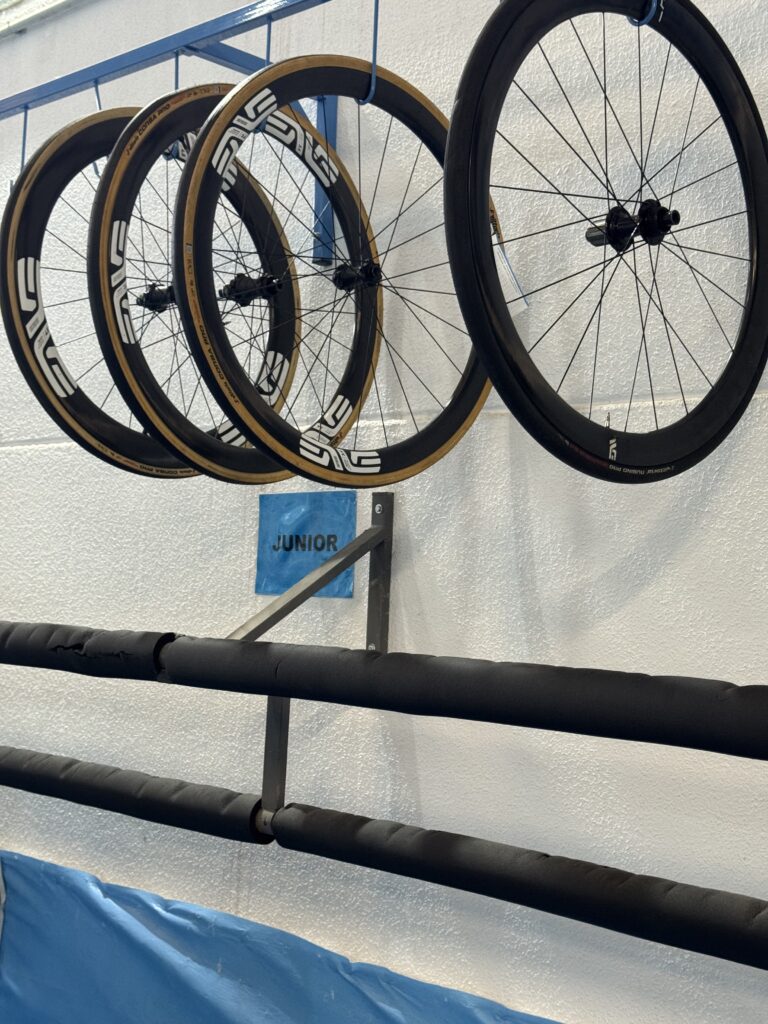
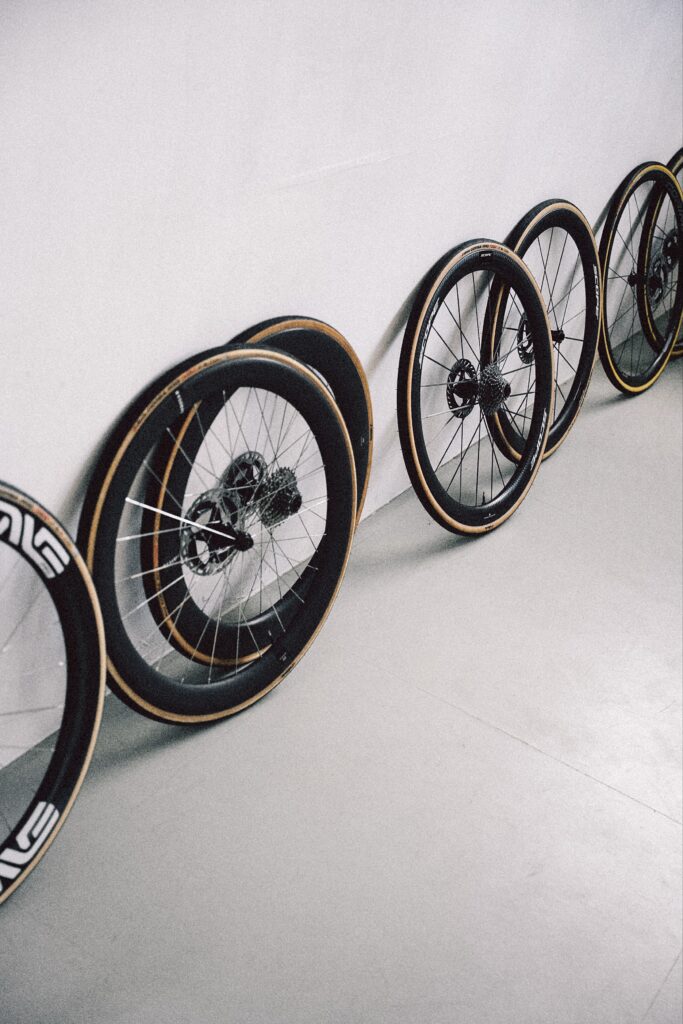
He currently swears by the Scope Artech 6. Enve is good, too, although I happen to prefer it. He thinks Lightweight has lost ground aerodynamically, and that Partington still has something to prove, even if he already rates it ahead of Lightweight. He also likes the 29 mm Vittoria tyres and prefers TPU tubes for training. Tubeless? He doesn't particularly fancy dealing with it on everyday rides. For racing, though, definitely. I could have spent the entire afternoon talking about wheels with him. There is enough material there for another story.
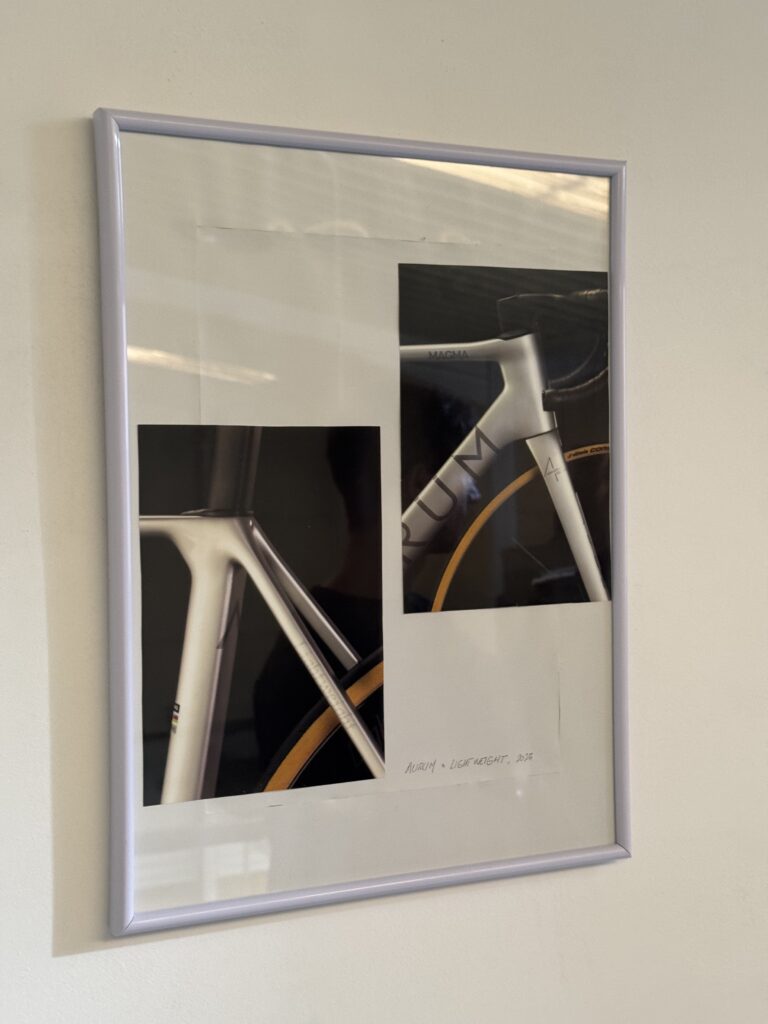
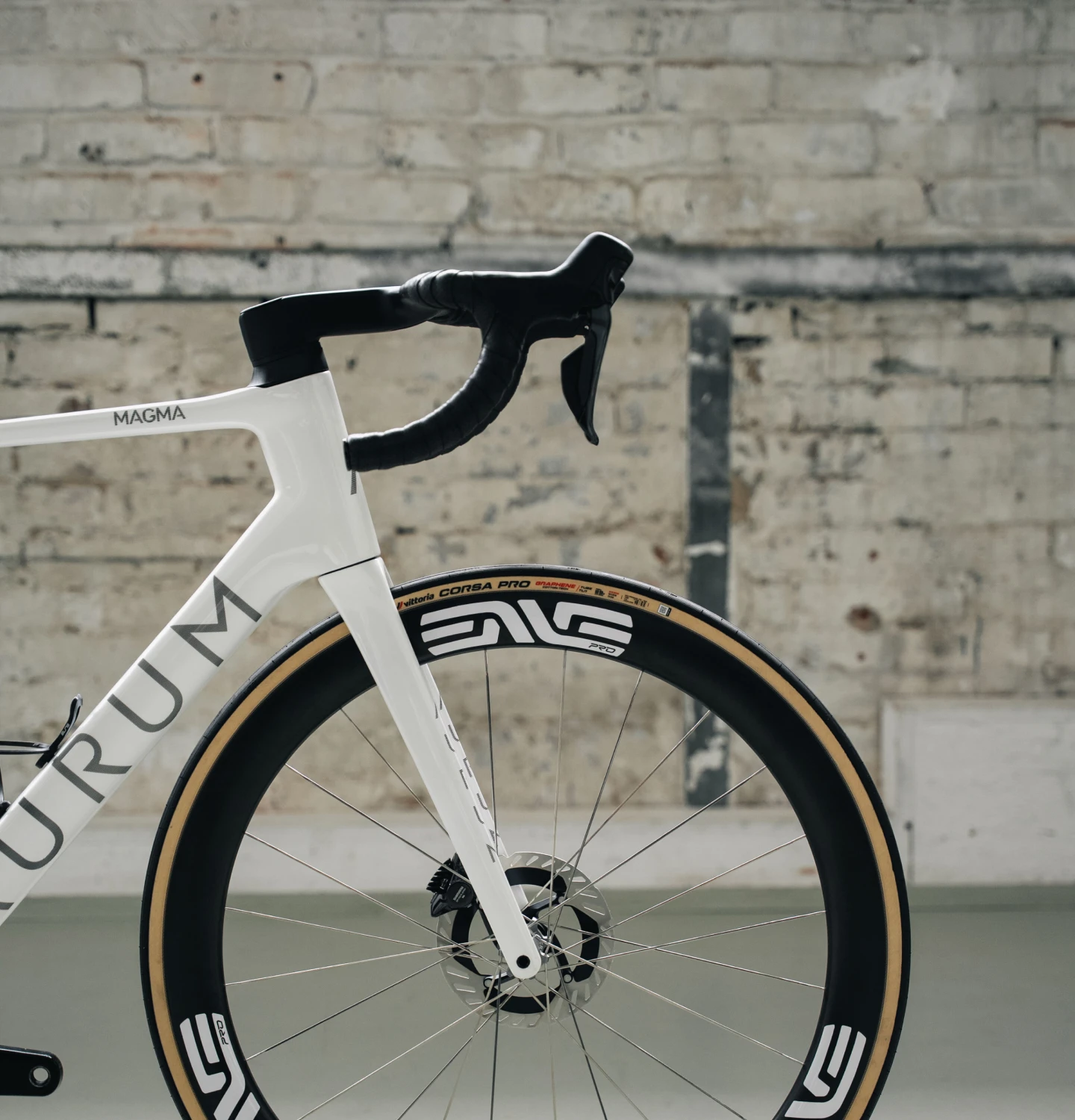
The interesting thing is that Alberto wants to build his idea of the perfect racing bicycle. Something that works for him and the professional riders he knows. It's a different starting point from trying to make a bicycle that immediately feels right to every recreational cyclist. And you can feel that in the Magma. It has a rather particular character. It takes a little getting used to. There are plenty of good race bikes today. Sometimes I wonder whether we really need another one. But I do like it when people have a precise idea of what they want. When you can feel that someone has made decisions about a product, preferably after trying a few things that didn't work. That's more interesting to me than another list of performance claims.
The kids
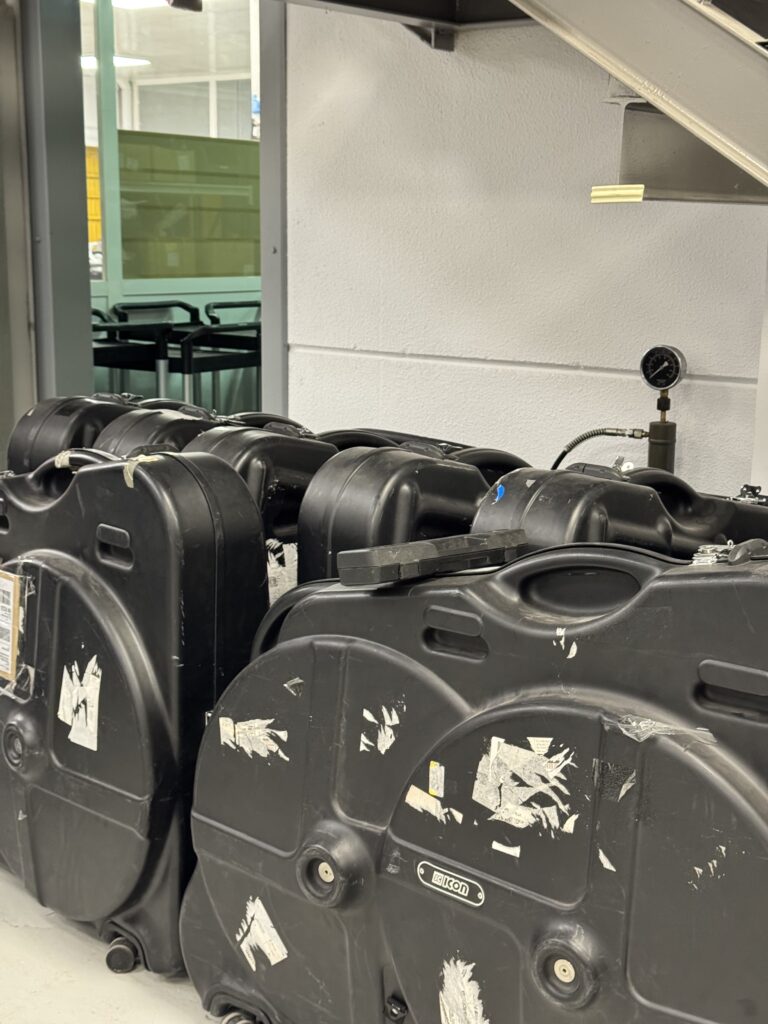
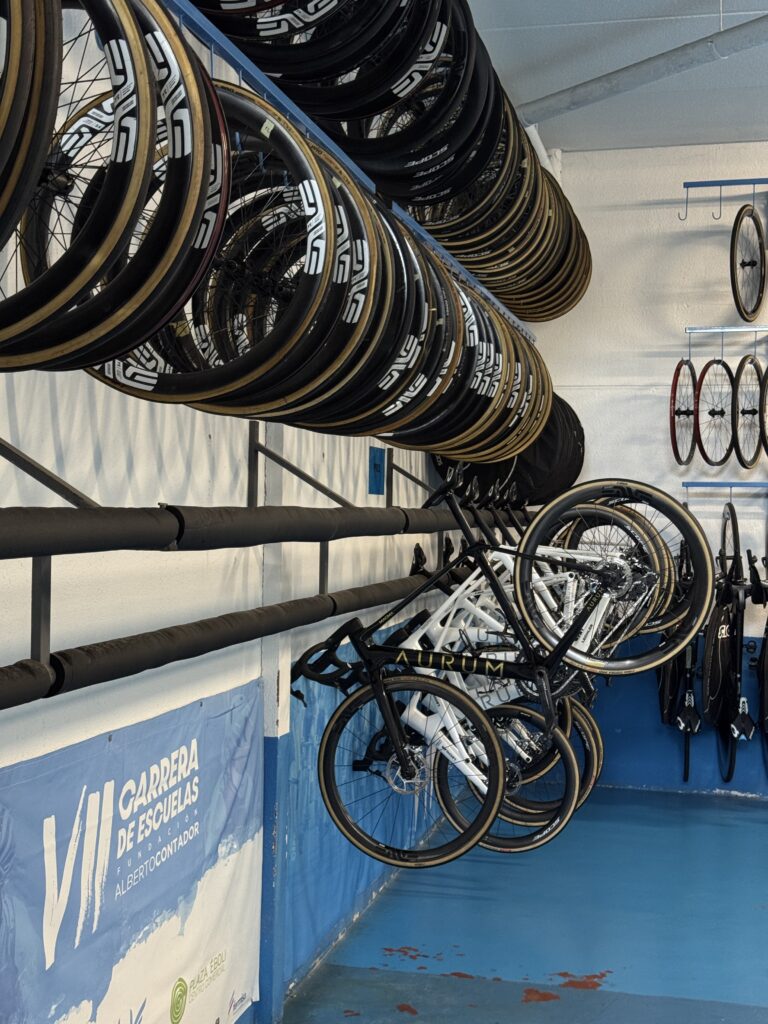
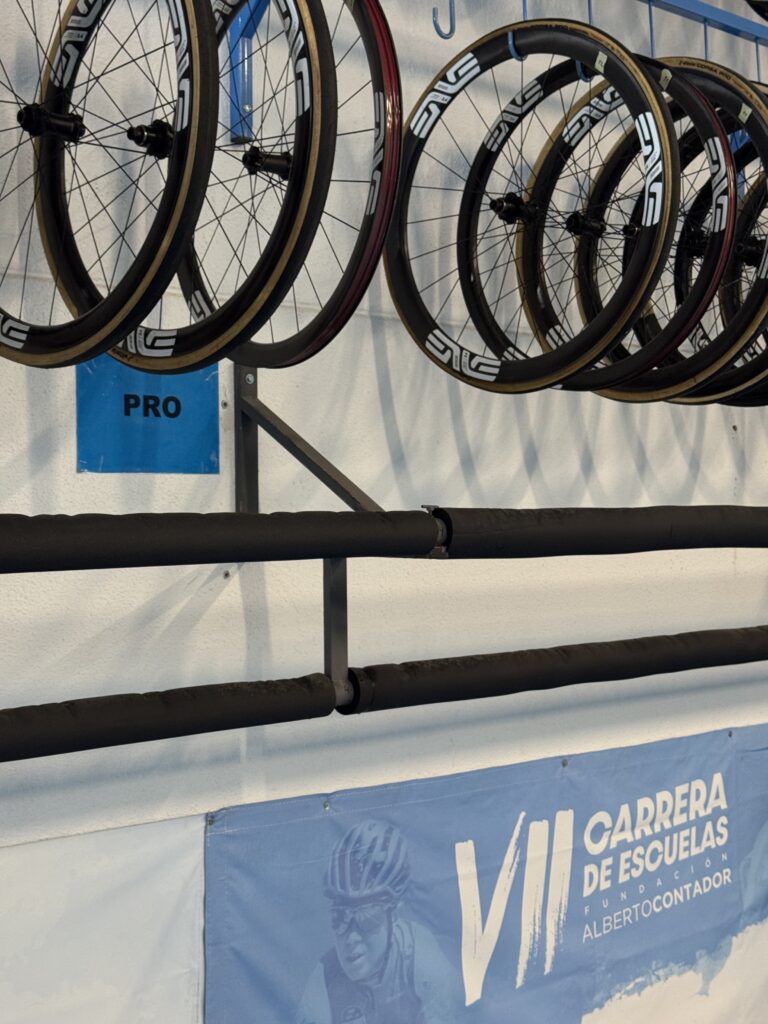
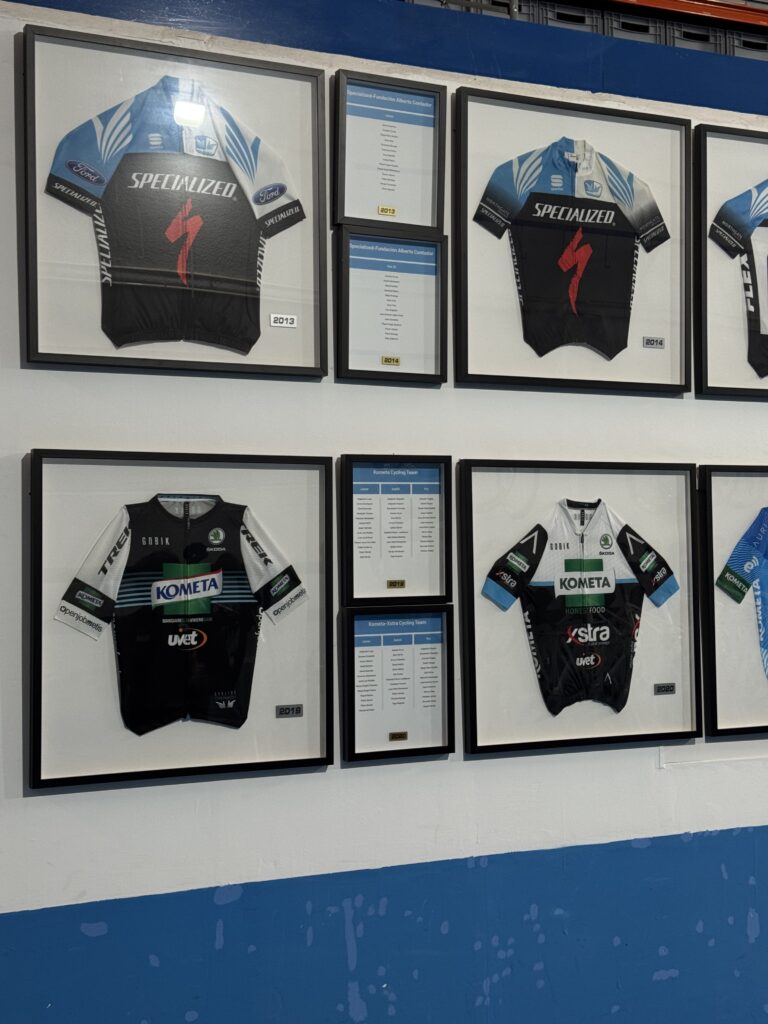
We also visited the service course of the Fundación Alberto Contador. Old race bikes from previous seasons, spare wheels, framed jerseys, team equipment, buses. U19 stickers on the walls. Things accumulate when people spend their lives going to bicycle races. There were even a few road signs that had somehow disappeared from Grand Tours. I don't know how widespread that practice is. Perhaps everyone takes the occasional sign.
The Fundación has been developing young cyclists for years. There is a cycling school, junior racing programmes and a support structure with equipment, coaches, mechanics and physiotherapists. I was told that the junior riders receive two bicycles each. Imagine being sixteen and having two proper racing bikes provided for you. I started racing when I was eleven. My father supported me, and an unreasonable amount of our money went into cycling equipment. We spent hours going through those enormous catalogues, studying wheels, components and frames. I knew exactly what I wanted, usually long before there was any realistic chance of getting it.
These days, cycling has become quite an expensive playground for adults. We have beautiful bicycles, carefully coordinated clothing, gravel adventures, coffee shops, trips to Mallorca and endless conversations about equipment. Some people discover the sport at forty and immediately buy equipment that a talented junior can only dream of. And why shouldn't they? I enjoy plenty of that world myself. I even make a living around it. But sometimes I wonder how much of that money, attention and enthusiasm ever reaches the kids. The ones racing every weekend, dreaming about the same bikes we do, following the same brands. Only without the money to buy any of it.
What makes the Fundación particularly interesting to me is who's behind it. Alberto has made a considerable fortune from professional cycling. He could spend the rest of his life enjoying it, riding his bike whenever he feels like it, showing up at the occasional event and generally having a pretty good time. Instead, he's still involved in developing young riders. He knows them, knows their families and follows what happens to them as they grow older. Enric Mas came through Contador's development structure, and the relationship didn't simply disappear when he moved on. There must be something quite satisfying about watching a kid you once supported become one of the best riders in the world.
And that's the strange thing about youth development. You invest years into somebody, provide equipment, coaching and opportunities, and if everything works out perfectly, someone else gets the rider. A rather weird investment. But perhaps that's the point. You can make another ten thousand euros somewhere, or you can help a young rider get somewhere he would otherwise struggle to reach. Alberto knows what professional cycling can give a person. He has experienced more of it than almost anyone.
The Fundación previously operated an U23 programme as well, but discontinued it after the 2024 season to strengthen its focus on the junior category. The development pathway has changed, with riders reaching professional teams younger than they used to. It's a serious structure, and one that has to keep adapting to the sport around it.
Racing is still business
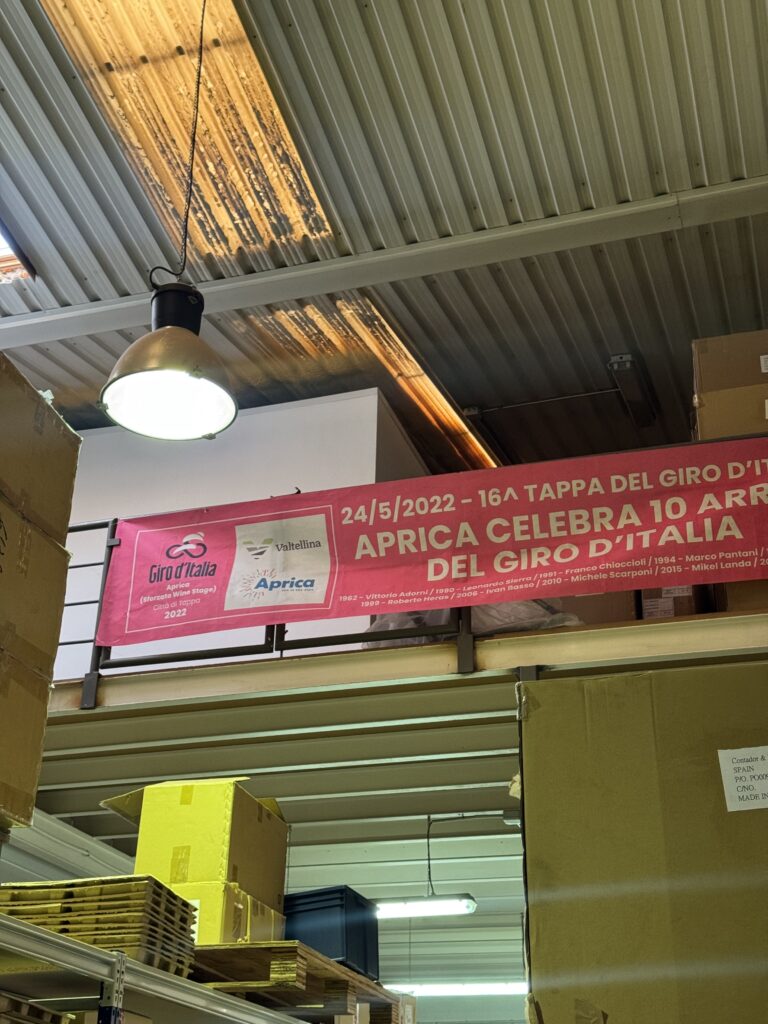
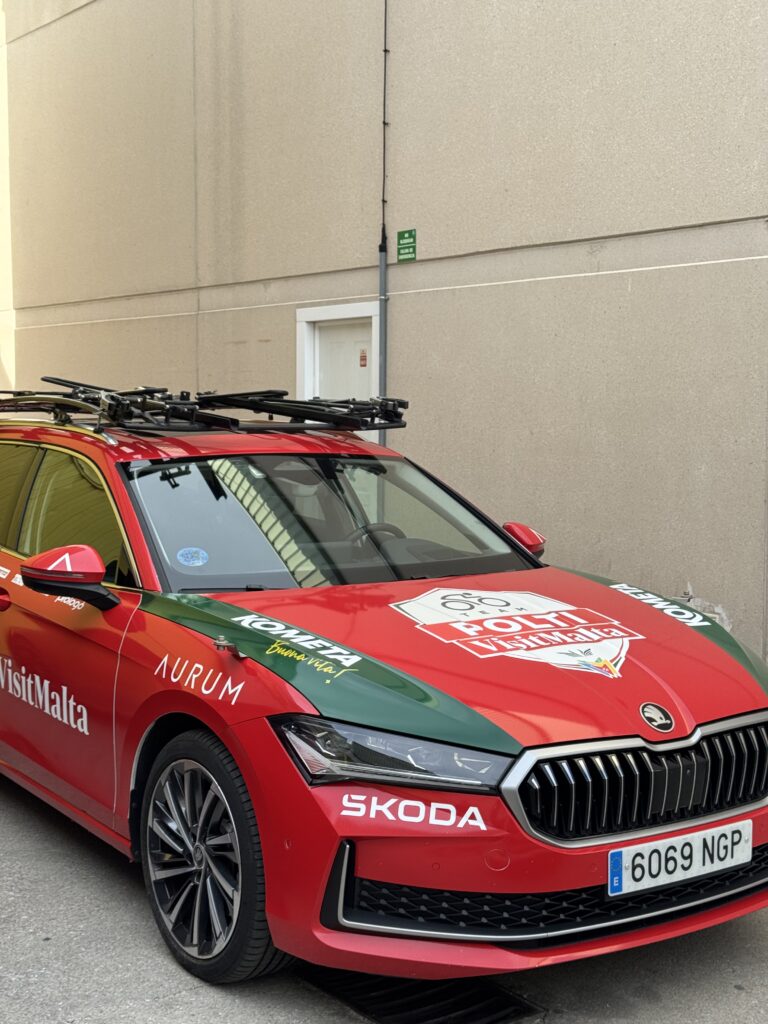
The professional team is another part of this curious arrangement. It belongs to the Fundación's racing structure and also plays an important role in developing and testing Aurum bicycles. A bicycle company of Aurums size having its bikes raced at the Giro d'Italia would be difficult to imagine without Alberto and Ivan. Their relationships, reputations and experience make a lot possible. But professional cycling is expensive, even when half the peloton knows your name.
We talked about the Tour de France. Of course they would like to race it. But there isn't much point in spending three weeks there if your riders are never visible. At the Giro, the team understands where it can compete, and the race matters to its partners. A rider in a breakaway can deliver a lot more exposure than an anonymous afternoon at the back of the bunch. They even watch the traffic on the Aurum website when one of their riders gets into a move. I loved that detail. All these years of racing experience, relationships with organisers and sponsors, the work involved in developing a racing bicycle. And somewhere in Pinto, somebody is looking at a website traffic graph because a rider has attacked on a climb in Italy.
There's nothing particularly romantic about that. It's a business, and somebody has to pay for it. The Tour remains an ambition. More budget, better infrastructure, a stronger team. They know what it would take and seem quite comfortable working towards it. What I found more interesting was something they said about choosing riders: "Good people before good riders. Always." I wonder how many professional teams would actually follow that rule when a particularly talented but difficult rider becomes available.
Alberto and the Gran Fondo world champions
Alberto himself was remarkably quiet and relaxed throughout the visit. He talks about bicycles with the curiosity of somebody who still enjoys discovering things about the sport. At some point we ended up discussing Gran Fondos and former professionals who still turn up determined to win them. He mentioned an old teammate who had become an age-group Gran Fondo world champion. He couldn't quite understand it. Why would somebody who had raced professionally for years still need to become a world champion in an age group?
I had to laugh. It's an interesting question coming from someone who has won seven Grand Tours. Perhaps it's easier to leave racing behind when you've already won almost everything there is to win. Perhaps other riders have unfinished business. Or perhaps they simply still enjoy winning bicycle races. Alberto has plenty of other things to occupy his time. He still rides, tests bicycles, follows young talents and seems to know what's happening at almost every level of Spanish cycling. Even some of the family connections go back generations of riders. It's a small world when you've spent your whole life in it.
Growing up
The more time I spent in Pinto, the more I wondered how they manage all of this. There is Aurum, a relatively young international bicycle company. A professional team competing at the Giro. The Fundación, a cycling school and junior development. Different organisations, connected through people who have spent much of their lives in the sport. An enormous amount of work, and a rather small number of people.
Of course there are things that could be more professional. More staff, better processes, more money. Probably a few things that take longer than they should. But I was struck by how calmly they approach it. They seem to know where they want to go without feeling the need to get there tomorrow. Aurum wants to sell more bicycles. The team wants to race the Tour. There are international markets to develop, dealers to support and products to improve. At some point, being small and personal can become a problem. The same people who give a company its character can become the ones holding every part of it together. I wonder how they will handle that.
I sometimes wonder how much money the bicycle industry spends trying to look like cycling culture. The ambassadors, the carefully curated spaces, the campaigns, the endless attempts to make everything feel authentic. In Pinto, there are old racing bicycles, framed jerseys, U19 stickers on the walls and a few Grand Tour road signs that probably shouldn't be there. And a coffee machine that would be considered a crime in any self-respecting cycling café. Probably an insult to everyone who spends their weekends at Velodrom studios drinking specialty coffee.
Nobody here seems to need fancy dinners or fancy coffee. They want fancy bikes. And racing. They could certainly spend some money making the place look a little nicer. I'd rather they spent it on the kids.